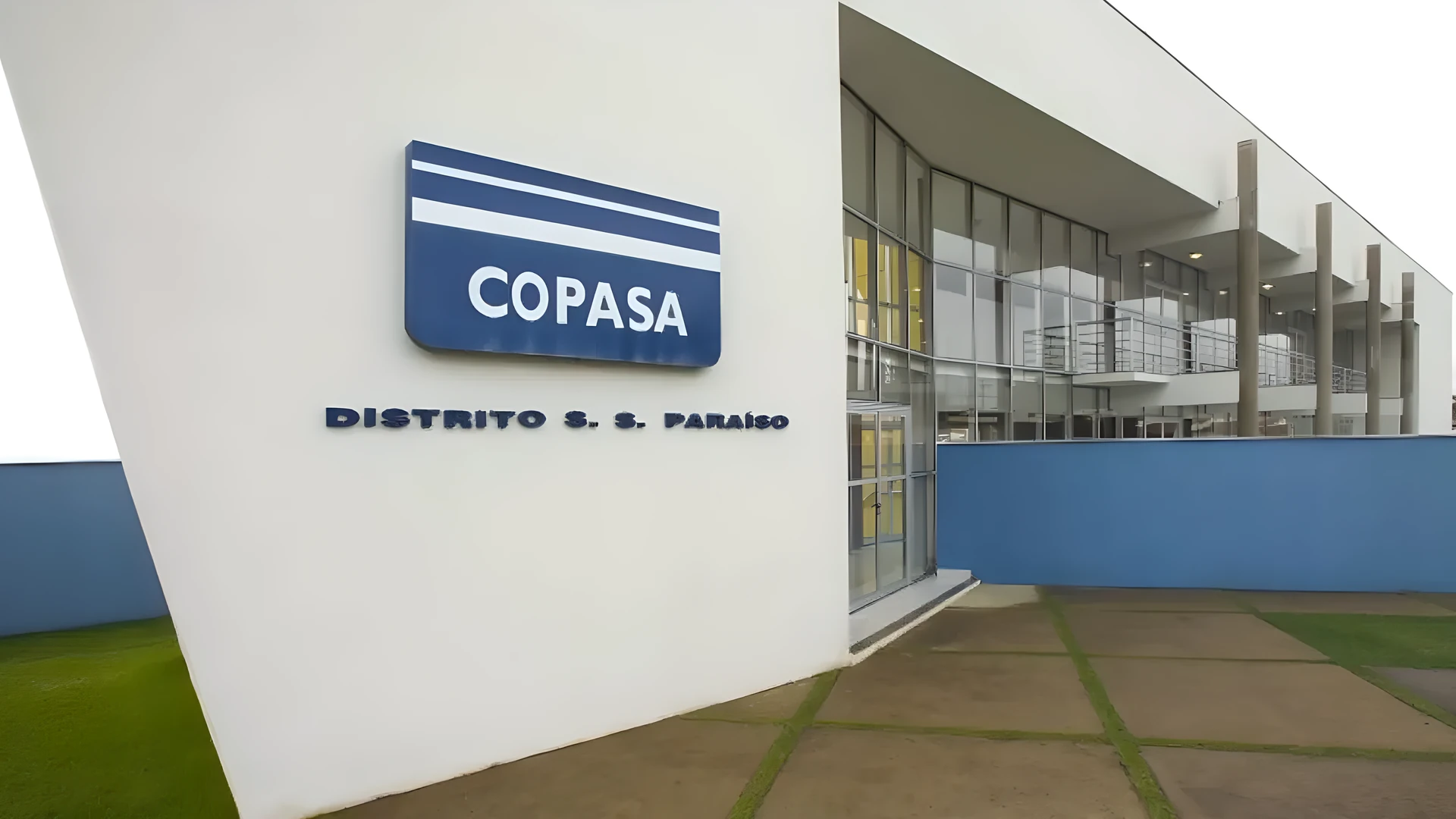
Copasa (CSMG3) announced this Thursday, July 30, 2026, the signing of new concession contracts for the provision of water supply and sewage services in the municipalities of Contagem and Betim, which together account for approximately 9.3% of the company’s revenue. The contracts, signed under the new legal framework for basic sanitation, will be in effect until 2073.
According to Copasa, the contracts adopt a regulatory model defined in the agreement, with rules aimed at providing greater regulatory and financial predictability, ensuring the investments needed to universalize services, properly remunerating the investments made, and preserving the economic and financial balance of the concessions.
The new contracts provide for transfers from Copasa to the municipalities for infrastructure works related to canalization and treatment of stream valleys, totaling R$ 520 million over up to 10 years, following contractual schedules. Of this amount, R$ 270 million will go to Contagem and R$ 250 million to Betim, and all amounts actually transferred will be incorporated into the Regulatory Remuneration Base (BRR).
Among the defined regulatory rules are the adoption of a pre-tax methodology for calculating the Weighted Average Cost of Capital (WACC), applied to BRR remuneration, and the use of the Rolling Forward method for periodic updating of the regulatory asset base, with preservation of the ring-fenced base and recognition of prudent investments. There is also annual updating of the incremental asset base with tariff impacts, regulatory recognition of assets related to service provision, including partnerships, and gradual sharing of operational efficiency gains with users over tariff cycles.
In line with state legislation on the regionalization of sanitation in Minas Gerais, Contagem and Betim have undertaken to adopt the measures necessary to join the Regional Unit for Potable Water Supply, Sewage Services, and Urban Stormwater Drainage and Management (URAED 1), in compliance with the deadlines and conditions set out in law.